
.JPG)
By age 18, the average student has spent 15,000 hours inside a classroom, more time than it takes to become a doctor. Yet according to a Gallup and Walton Family Foundation survey, fewer than 2 in 10 students strongly agree that what they're learning feels important, interesting, or aligned with their natural talents. And while 90% of parents say they trust their child's school, 70% don't believe it is preparing them for the real world. Boundless Education, the pedagogical framework behind Boundless Life, proposes and is actively working towards, supports a fundamentally different answer: that the world itself is the syllabus, and that education should develop capable humans, not compliant ones.
What is Boundless Education? Boundless Education is the learning framework developed by Rekha Magon and the team at Boundless Life. It’s a global education program operating across 8+ countries, that is working towards replacing standardized, classroom-bound instruction with experiential, place-based, and project-driven learning tied to real-world contexts. It operates on the belief that children learn best when they are active participants in the world around them, not passive recipients of a curriculum designed for a workforce that has changed.
Key Takeaways
- Boundless Education replaces rote memorization with hands-on, place-based Quests.
- Only 1 in 5 (5 to 18 year old) students believes what they're learning matters, and 70% of their parents, despite trusting their child's school, don't believe it's preparing them for the real world. Boundless Education directly addresses that meaning gap.
- Research shows students in active learning environments are less likely to fail than peers in traditional lecture-based courses.
- AI won't replace teachers at Boundless; it handles admin and assessment so educators can focus on mentoring, connection, and real-world guidance.
Contents
- Why the Next Generation of Learners Needs a Next-Generation Model
- What Makes Boundless Education Different From Traditional Schooling
- How Place-Based and Experiential Learning Actually Works
- What the Research Says About Experiential Learning Outcomes
- The Role of AI in the Future of Education
- How Boundless Education Develops Global Citizens
1. Why the Next Generation of Learners Needs a Next-Generation Model
The world our children are inheriting moves faster and demands more of its humans than any generation before. Yet the way we prepare them for it has remained largely unchanged. The skills that will define who thrives by 2030 are precisely the ones a standard school day was never structured to build.
The World Economic Forum's Four Futures for Jobs in the New Economy report projects that by 2030, more than 40% of core workplace skills will have changed. AI is already automating routine tasks, basic analysis, and information recall. And so the types of skills that children of the future will require, will be cross-cultural collaboration, creative problem-solving, emotional intelligence, adaptability and grit.
A Gallup and Walton Family Foundation survey found that only 1 in 5 (5 to 18 year old) students thinks their education matters. Fewer than 2 in 10 strongly agree that what they're learning feels important, interesting, or aligned with their natural talents. And while 90% of parents say they trust their child's school, 70% don't believe it is preparing them for the real world. A separate post-pandemic study published in School Mental Health tracked adolescents aged 11–18 across multiple countries and found the dominant emotional state wasn't clinical depression — it was languishing. Not sadness. Emptiness. No motivation, no spark, no sense that anything they do actually matters.
"Engagement isn't a motivation problem," says Rekha Magon, Co-Founder and Chief Education Officer at Boundless Life. "It's a meaning problem."
The system was not built for curiosity and connection. And the longer it runs unchanged, the more children it leaves behind, not academically, but humanly.
Key insight: The school model was designed for a world that has since changed profoundly. The opportunity now is to build something that meets children where they actually are.
2. What Makes Boundless Education Different From Traditional Schooling
Boundless Education was built on the idea that children learn best when they are active participants in the world. It rests on five core principles that expand on what traditional schooling offers.
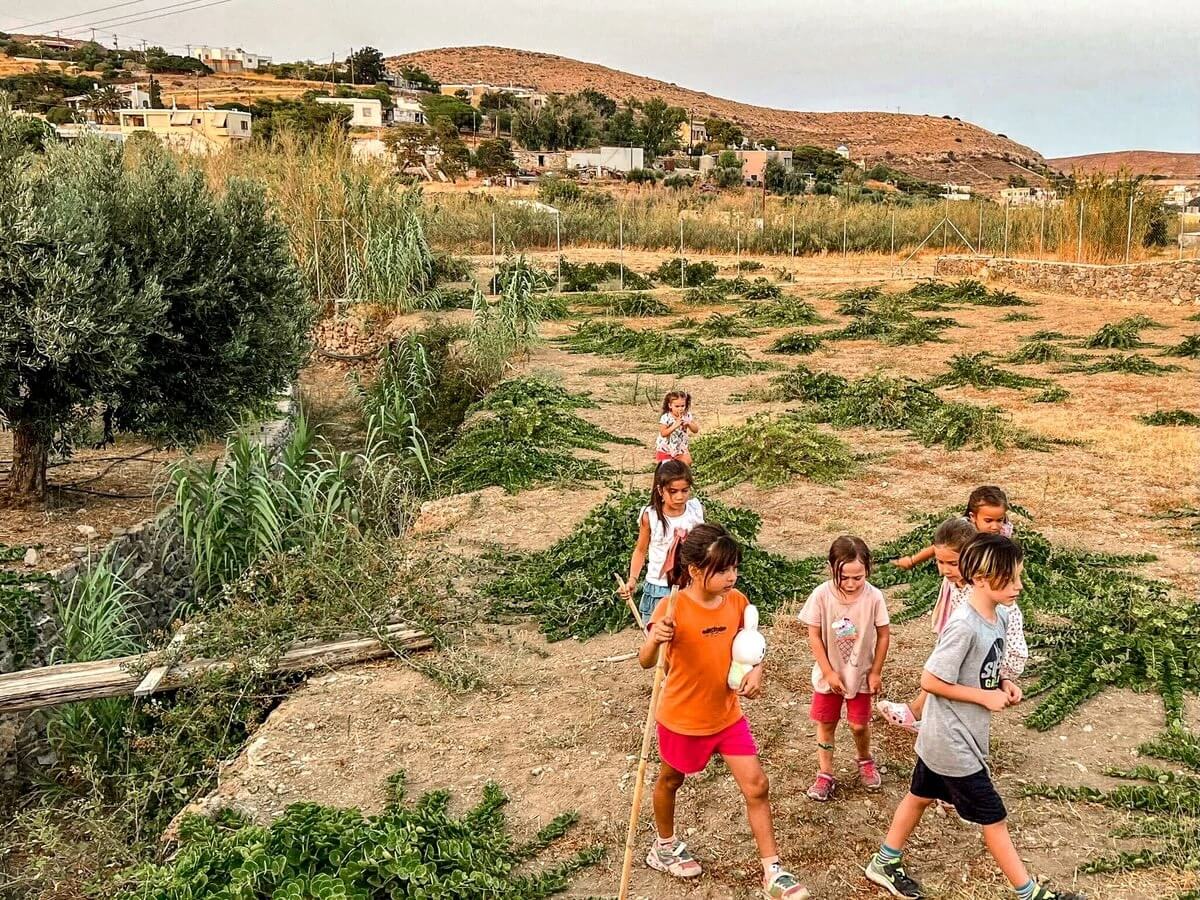
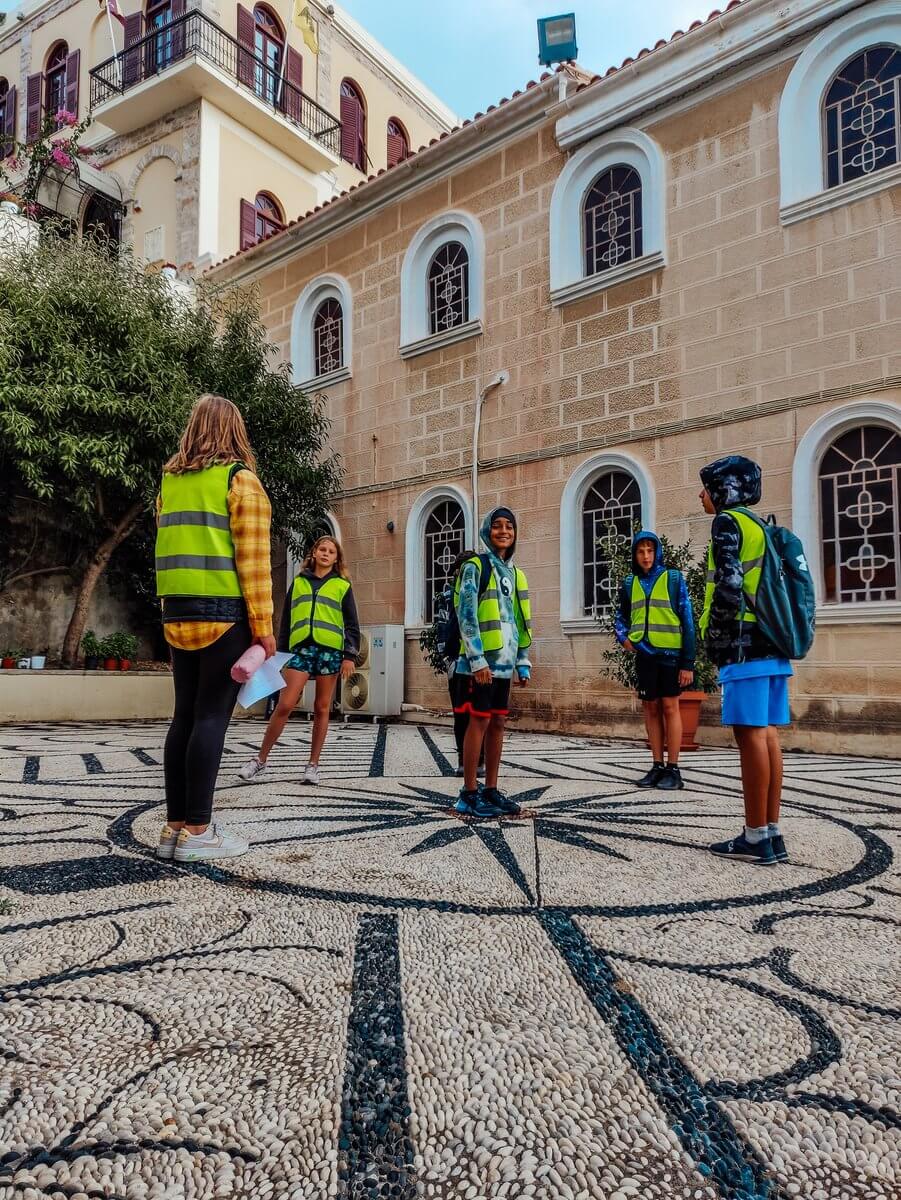
1. The world is the classroom. Knowledge and academics begins in the curriculum, and comes alive in the world. History is experienced in ancient cities. Mathematics is applied to everyday journeys. Science is practiced through real world, hands-on activities. Basically, learning doesn't stop at the page, it starts there.
2. Every Quest is anchored to a real-world challenge. Rather than covering abstract issues, Boundless students work on problems that exist in the communities they live in, the ecosystems they inhabit, and the world they are about to inherit. A quality education Quest asks students to simulate real-world challenges, then design the solution.
3. Experiential learning replaces rote memorization. At Boundless Life, academic learning is the starting point, not the finish line. Students take what they learn in a structured setting and immediately apply it in the real world, with real people, in real situations. This is how humans are wired to learn, and it is why Boundless students retain what they discover long after the experience ends.
4. Cognitive flexibility is built through disruption. Moving between 9+ countries, navigating new languages, social norms, and environments trains children's brains to reconfigure. Cognitive flexibility, the ability to switch contexts, adapt approaches, and think across frameworks peaks early in childhood but only develops if actively exercised. A classroom with fixed routines doesn't train this. A life that moves does.
5. Learning happens in community. Boundless families and their children are active participants in each destination they choose to live in. Across every location, students contribute to the communities around them, build relationships with local people, and take genuine responsibility for their environment. Belonging, empathy, and shared purpose are not subjects on a timetable. They are built into the fabric of every day.
Key insight: Boundless Education is not an alternative curriculum, it is an alternative relationship between children and the world.
3. How Place-Based and Experiential Learning Works
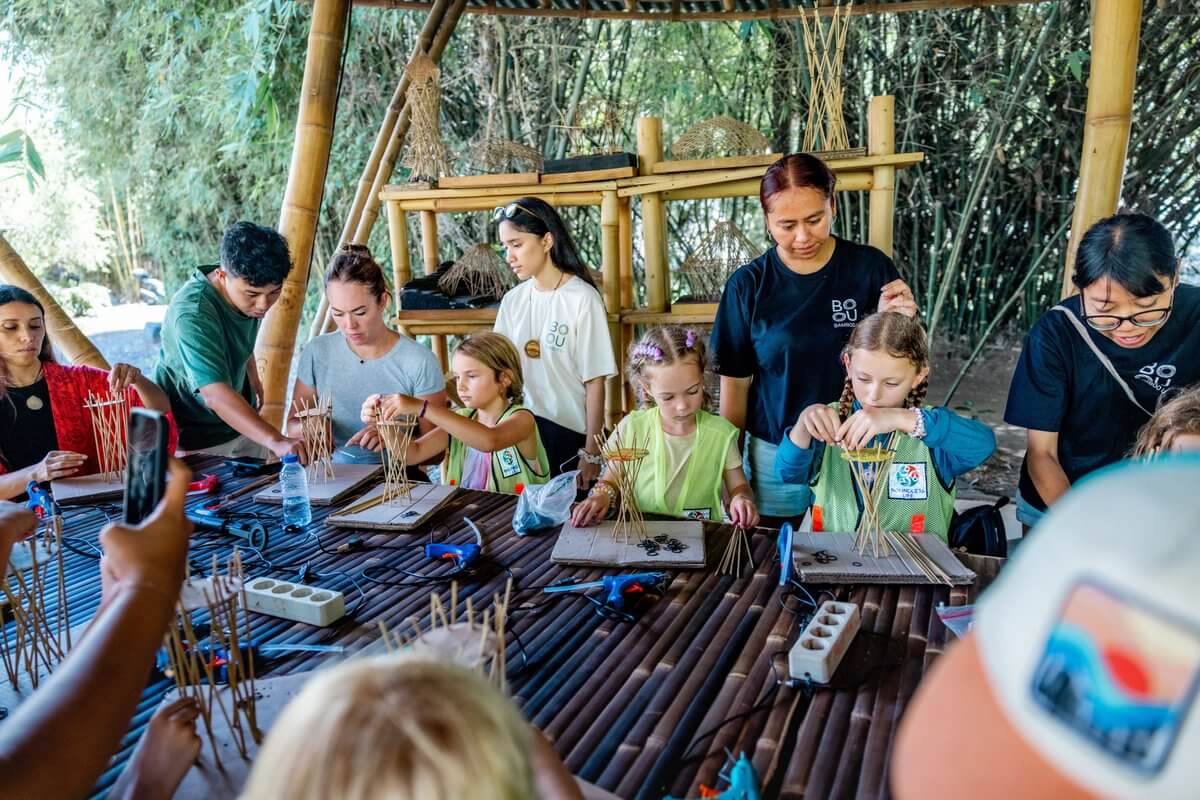
Place-based learning is a deliberate pedagogical approach in which the local environment, its ecology, its people, its problems, becomes the primary vehicle for learning.
At Boundless Life, this plays out through Quests: extended, interdisciplinary projects grounded in the place where students currently live.
"When children learn alongside kids different to them," Rekha observes, "they become more empathetic. They develop confidence in unfamiliar settings. They learn that communication goes beyond words."
This is not achievable through simulation. It only happens when children are placed in real communities, not artificial ones.
"When we talk about global learning at Boundless Life," Rekha points out, "this is what we mean. Anyone who spends time in a totally new place isn't just exploring. They're literally rewiring their nervous systems. Becoming calmer, more flexible, more human."
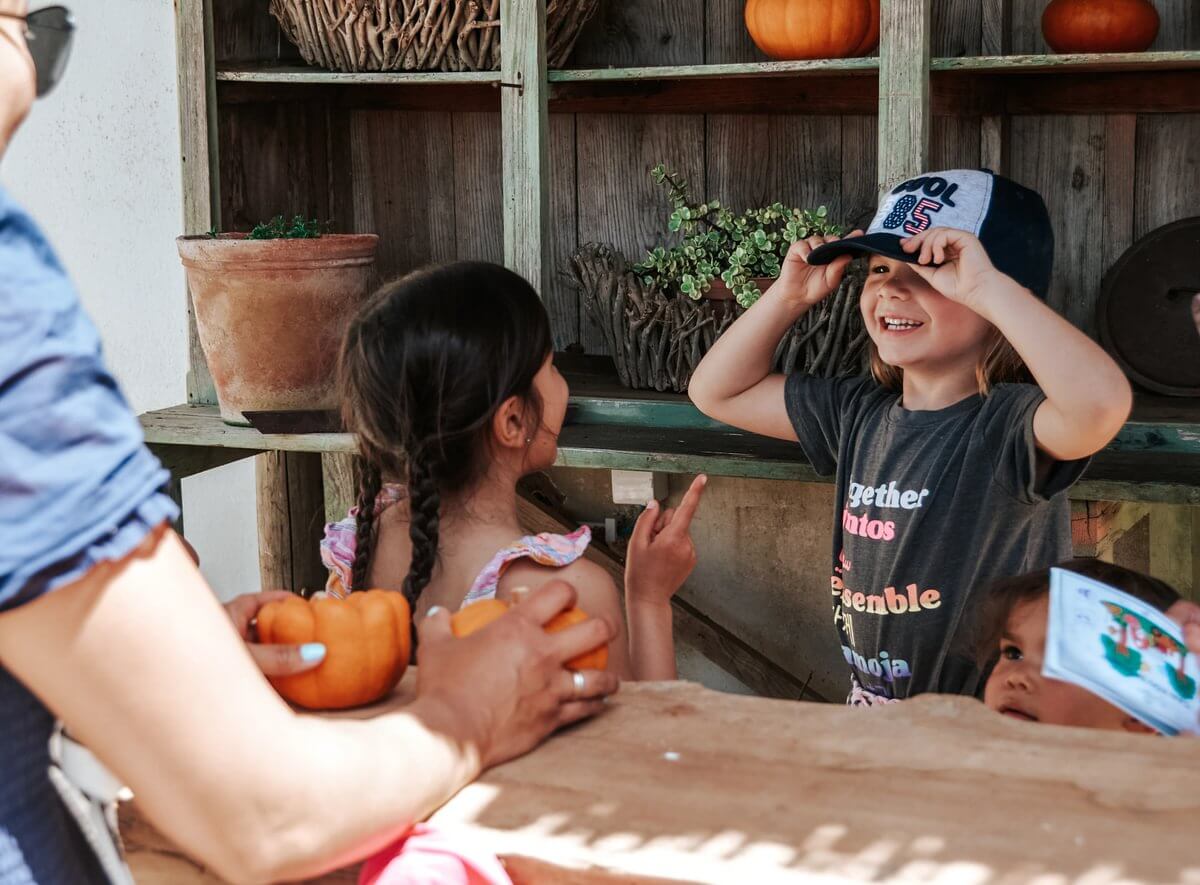
Boundless Life also runs Endeavour Time, one hour per week handed to parents to teach whatever they're passionate about. One week could be sushi-making. The next, cryptocurrency. Then a startup journey. A passionate non-expert beats a bored expert every time. Children remember sparks, not lesson plans.
Key insight: Place-based learning works because the brain remembers experiences, not worksheets, and Boundless Education is architected entirely around that neurological reality.
4. What the Research Says About Experiential Learning Outcomes
Research into experiential learning consistently shows that students retain significantly more when learning is grounded in real-world context rather than abstract instruction. The difference isn't intelligence. It is relevance.
"The things I remember are the things I actually did. That's how humans are wired to learn." — Rekha Magon
The compounding effect matters too. Over 12–15 years of schooling, even small amounts of experiential learning compound into something significant. Students don't need extraordinary experiences every day. They need consistent, meaningful engagement with the real world, interviewing someone in their community, building something that solves an actual problem, studying ecosystems by visiting one.
A 2024 UCSB study tracking adolescents through the pandemic found that over 60% were 'languishing' by 2022, and that the antidote isn't more content. It's contribution: giving students real opportunities to serve their communities and feel that they matter.
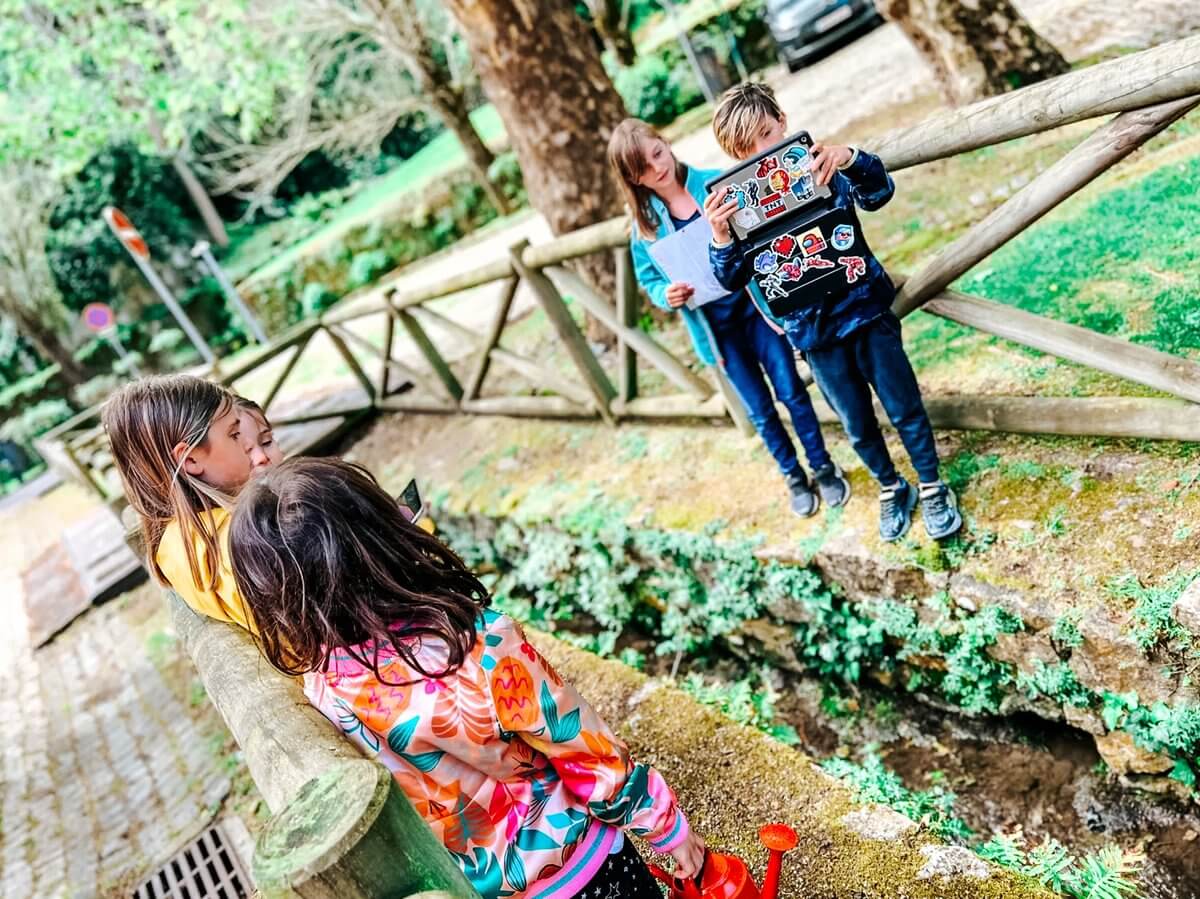
When kids have no opportunity to serve, to matter, to make a dent in something real, they stop caring. The fix, as Rekha writes, is to let kids feel useful. "Give them a real problem to solve. Not a textbook one."
5. The Role of AI in the Future of Education
The wrong question about AI in education is whether it will replace teachers. The right question is whether it will finally replace worksheets.
"AI won't replace teachers," Rekha has argued publicly, including at her SXSW EDU appearance. "It will finally make space for the parts of teaching that actually change a child's life."
Every tool in history has changed education, the chalkboard, the calculator, the internet. AI is the next chalkboard. The real danger isn't that AI teaches children, it's that institutions use it to do the same thing they've always done: memorize, test, standardize.
Used differently, AI changes everything. For example, condense core academics into 2–4 hours per day through AI-powered hyper-personalization, then spend the rest of the day on leadership, teamwork, storytelling, and real-world projects. AI handles admin, assessment tracking, and content adaptation. Teachers focus on what no machine can do: emotional support, real-world wisdom, and human connection.
The dream of 1:1 personalized learning has always existed. The tools simply weren't there. They are now. AI can adapt pace to every child, detect learning gaps early, and align content with individual interests. When students feel seen, they engage. When they engage, they learn.
Rekha’s three predictions for education in 2026 are direct: AI will sharpen the human element; personalization will finally scale; and global fluency will become the competitive edge. The next literacy isn't reading or coding. It's perspective. Simply put, children exposed to different cultures, environments, and ways of thinking will thrive.
Key insight: AI's highest-value role in education is not instruction, it’s liberation: freeing teachers from admin so they can do the irreplaceable human work that determines whether a child thrives.
6. How Boundless Education Develops Global Citizens
Five years ago, Rekha Magon was homeschooling her own children because she saw the traditional system was draining them.
Since then, the launch of Boundless Life has welcomed more than 5,000 families, educated over 1,500 children, and built a team of 80+ educators across 8 countries.
The transformation Rekha describes is consistent: shy 8-year-olds becoming confident project leaders. Children who struggled in traditional schools finding their spark, those who felt invisible finding their voice.
This is what happens when you design education around children instead of convenience.
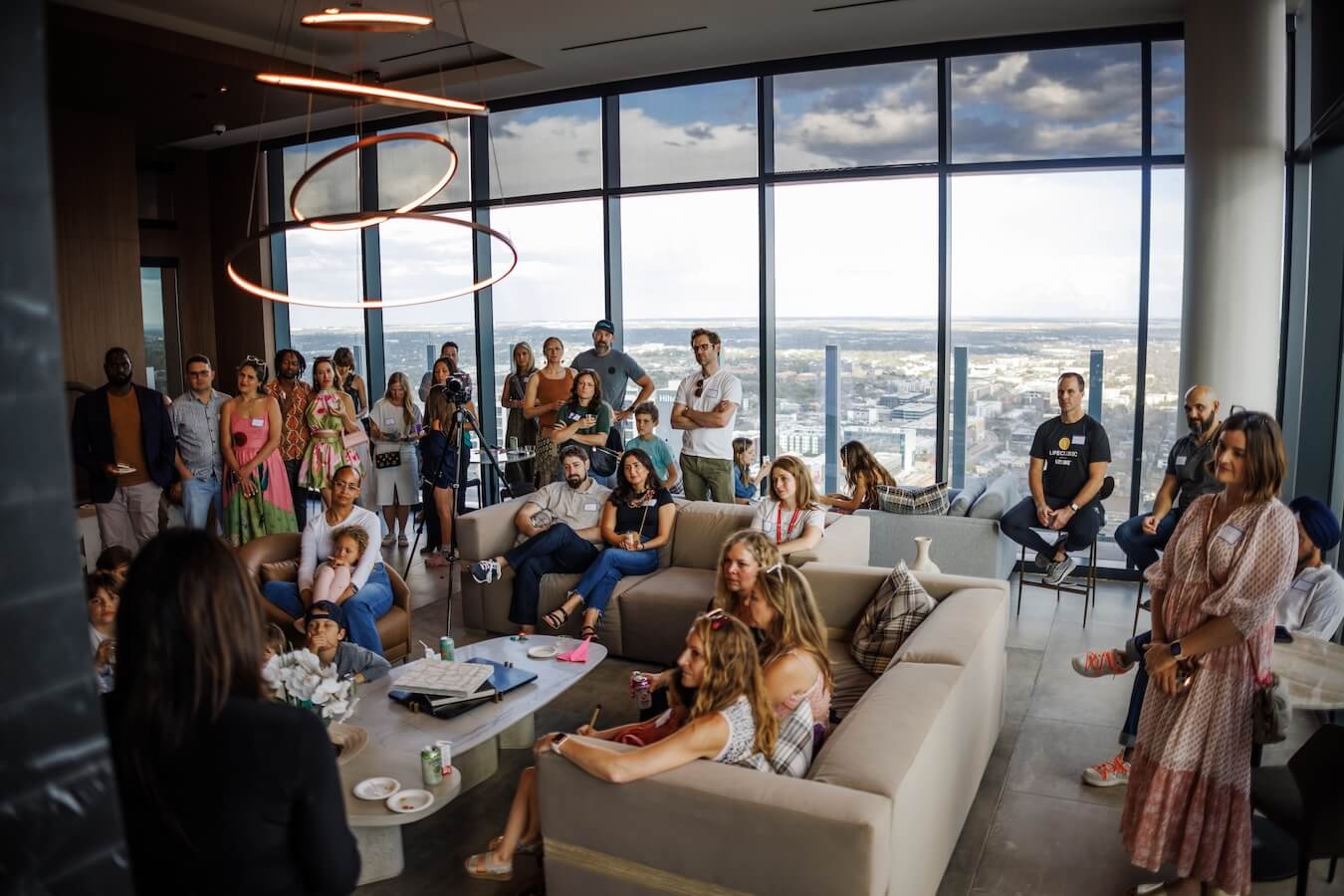
Boundless Education's approach to global citizenship is active, not theoretical. "Children who grow up exposed to different cultures don't just become more open-minded," Rekha writes. "They become more human. The kind the world needs more of."
The 20 skills that Boundless Education are building towards – curiosity, empathy, adaptability, resilience, collaboration, creativity, accountability, courage to fail, critical thinking, growth mindset, self-awareness, problem-solving, purposeful living, ethical reasoning, respectful communication, cultural awareness, emotional regulation, conflict resolution, confidence, and grit – appear nowhere on a standard report card. Yet they are precisely what the World Economic Forum, employers, and research confirm the future will require.
"The goal of education isn't A+ students," Rekha says. "It's to develop capable humans."
Key insight: Boundless Education's output is not a grade, it is a human being equipped to navigate an unpredictable world with curiosity, empathy, and genuine capability.
The Bottom Line
Boundless Education is not a critique of traditional schooling. It is a contribution to a broader conversation about what learning can look like when we design it around children rather than around convenience.The 15,000 hours a child spends in school by age 18 should be enough to change a life, but only if those hours are used for something more than memorization, compliance, and test performance. Boundless Life has spent four years proving that a different approach is not only possible but already working around the world. The future of education doesn't require waiting for governments or school systems to change. It requires deciding that children deserve better, and building it now. The world is the curriculum. The question is whether we'll let kids explore it.
FAQ
What is Boundless Education and how does it work?
Boundless Education is the learning framework developed by Rekha Magon and Boundless Life, operating across 8+ countries. It replaces standardized classroom instruction with experiential, place-based learning through Quests, extended projects tied to UN Sustainable Development Goals. Children learn by doing, living in real communities, and engaging with genuine challenges rather than textbook simulations. Core academics are integrated into real-world contexts rather than taught in isolation.
How is Boundless Education different from homeschooling?
Boundless Education is not homeschooling. It is a structured, professionally designed curriculum delivered by a team of 80+ educators across multiple global locations. Children learn alongside peers from families across 9+ countries, developing cross-cultural collaboration skills and community belonging that homeschooling alone cannot replicate. The key difference from traditional schooling is that the classroom is the world, not a simulation of it.
What does the research say about experiential learning vs traditional education?
Research into experiential learning consistently shows that students retain significantly more when learning is grounded in real-world context. Gallup research also found fewer than 2 in 10 students believe their learning is important or interesting.
How does Boundless Education prepare kids for the future of work?
The World Economic Forum projects that more than 40% of core workplace skills will change by 2030. Boundless Education builds the 20 skills that AI cannot replicate, including adaptability, cross-cultural collaboration, creative problem-solving, emotional intelligence, and resilience. These skills develop through lived experience, not instruction. Children who have navigated multiple cultures, languages, and real-world challenges are equipped for a volatile, unpredictable world in ways that traditional graduates simply are not.
Will AI replace teachers in the Boundless Education model?
No. At Boundless Life, AI is used to handle administrative tasks, track learning gaps, and personalize content delivery, not to replace human educators. The vision, as articulated by Rekha Magon, is to condense core academics through AI-powered personalization so that teachers can spend more time on mentoring, human connection, and real-world guidance: the irreplaceable work that determines whether a child genuinely thrives.
Is Boundless Education only for families who travel or live nomadically?
Boundless Life operates across 8 established locations worldwide, including Sintra (Portugal), Bali (Indonesia), Japan, Spain, Uruguay, and Italy. Families commit to living in a location for an extended period, not as tourists, but as residents embedded in the local community. The model is designed for families seeking an alternative to traditional schooling, not exclusively for those with nomadic lifestyles. Over 5,000 families have participated since Boundless Life launched four years ago.
What age groups does Boundless Education serve?
Boundless Education serves school-age children, with documented Quests for children aged approximately 8–14. Projects are designed to be age-appropriate while still engaging with real-world complexity, including Quests that ask 10–12-year-olds to design inclusive learning environments, research plant-based medicine, and present solutions to peers across multiple countries simultaneously.
How does Boundless Education handle core academic subjects like maths and literacy?
Core academics are not abandoned, they are taught through intentionally structured classes and then integrated into real-world projects. Mathematics is put into practice through planning actual trips, budgeting, and building. Literacy develops through interviewing community members, documenting projects, and cross-cultural communication. The Boundless Life model draws on research showing that purpose-driven learning engages the whole brain, and that rote memorization creates no lasting knowledge. Academic content sticks when it is relevant, contextualized, and applied.
References -
- Rutter, M. et al. (1979). *Fifteen Thousand Hours: Secondary Schools and Their Effects on Children*. Harvard University Press. https://www.hup.harvard.edu/books/9780674300262
- Walton Family Foundation & Gallup (2024). *K-12 Schools Struggle to Engage Gen Z Students*. https://news.gallup.com/poll/648896/schools-struggle-engage-gen-students.aspx
- Gallup (2025). *Record-Low 35% in U.S. Satisfied With K-12 Education Quality*. https://news.gallup.com/poll/695174/record-low-satisfied-education-quality.aspx
- Gallup (2021). *K-12 Parents Remain Largely Satisfied With Child's Education*. https://news.gallup.com/poll/354083/parents-remain-largely-satisfied-child-education.aspx
- Freeman, S. et al. (2014). Active learning increases student performance in science, engineering, and mathematics. *PNAS*, 111(23), 8410–8415. https://www.pnas.org/doi/10.1073/pnas.1319030111
- World Economic Forum (2026). *Four Futures for Jobs in the New Economy: AI and Talent in 2030*. https://www.weforum.org/publications/four-futures-for-jobs-in-the-new-economy-ai-and-talent-in-2030/
- Global Research Alliance (2024). A Global Study of the Wellbeing of Adolescent Students During the COVID-19 2020 Lockdown. *School Mental Health*. https://link.springer.com/article/10.1007/s12310-024-09678-2
- Furlong, M. et al. (2024). Diminished Adolescent Social Well-Being During the COVID-19 Pandemic. *Child Indicators Research*. https://link.springer.com/article/10.1007/s12187-024-10108-7
- UCSB Gevirtz School (2024). *Social Well-Being of Teens Continued to Decline Even Post Pandemic*. https://education.ucsb.edu/about/news-press/ggse-news/social-well-being-teens-continued-decline-even-post-pandemic


.avif)

