


If you could spend just one day in a Boundless Life Education Center, the very first thing the educators would want you to feel and notice would be –
- “the real human warmth”
- “the sense of coziness, nostalgia, and familiarity”
- “the hospitality and the zen”
- “the welcome”
- “the genuine laughter”
- “the intentional environment”
- “the respectful interactions between teachers and children”
That sense of genuine welcome and human connection is immediate and real in every location. Whether you find yourself on a Boundless Life cohort in Uruguay, or on the other side of the world in Portugal.
That “warmth first” philosophy is foundational. When children feel safe and known, they are empowered to take risks socially, emotionally, and academically. They try new things, speak up, stretch their abilities, and step confidently into independence.
We asked ten Boundless Life educators across every Education Center – La Barra, Sintra, Andalusia, Tuscany, Kotor, Syros, Bali, and Kamakura – to describe their day at a Boundless Life Education Center.
Their words paint a vivid picture of daily life and highlight what matters most. Every quote below is in their own words.

Mornings Start with Connection
Mornings across Boundless Life centers begin calmly and intentionally. Rather than rushing straight into academics, educators and children take time to greet one another and settle in.
In Bali, for example, the day “begins gently with connection, check-ins, sometimes journaling or sharing stories from home”, says Jessica, a Pathfinders educator in Bali. There’s a family-like circle to start the day, where everyone has a voice. This might include a social-emotional learning (SEL) activity or simply a warm welcome and chat about how everyone is feeling.
From this morning connection time, the day gains momentum. Children move into focused learning blocks – literacy, math, or inquiry projects – with “deep focus, movement, collaboration, [and] outdoor time” woven in.
There is structure and routine, yet it “breathes” – it never feels hurried or rigid. As Jessica puts it, “the day never feels rushed; it feels purposeful”. This gentle but intentional morning rhythm, sets a tone of trust and calm that carries through the day.

Children Shape Each Day
One of the most distinctive aspects of Boundless Life is that children contribute to shaping the day’s activities. Educators aren’t always working from a fixed script; they are listening and observing, ready to follow the children’s lead.
“If they are curious about something, we lean into it,” notes Jessica (Bali).
“The children play a huge role in shaping each day. Their questions, passions, and bursts of excitement naturally steer discussions and activities in new and interesting directions,” explains Eleni, who leads an Explorers group in Syros, Greece. Because teachers tune in to what excites children in the moment, “learning feels responsive and alive”.
In practical terms, this can look different day to day. In Kamakura, Japan, Pathfinders educator Vanessa keeps an “I wonder…” board on the wall, a space where children can jot down any questions that pop into their heads.

“We have an ‘I wonder…’ board where they write down questions… and every Friday we answer them during Connection Time. I love watching one answer lead to a million more questions, or hearing someone shout, ‘Put it on the I wonder board!’” she says.
One question sparks another, and the kids’ curiosities chart the course for new explorations. Between core lessons, children might also choose “brain breaks” – a bit of yoga, a run outside, quiet reading – whatever they need to reset and be ready to learn again.
Across all centers, educators “hold the structure, but the children give it life,” as Carmen (Sintra) puts it. The students are not passive learners; they are active participants co-creating each day’s experience.
Learning Through Everyday Life
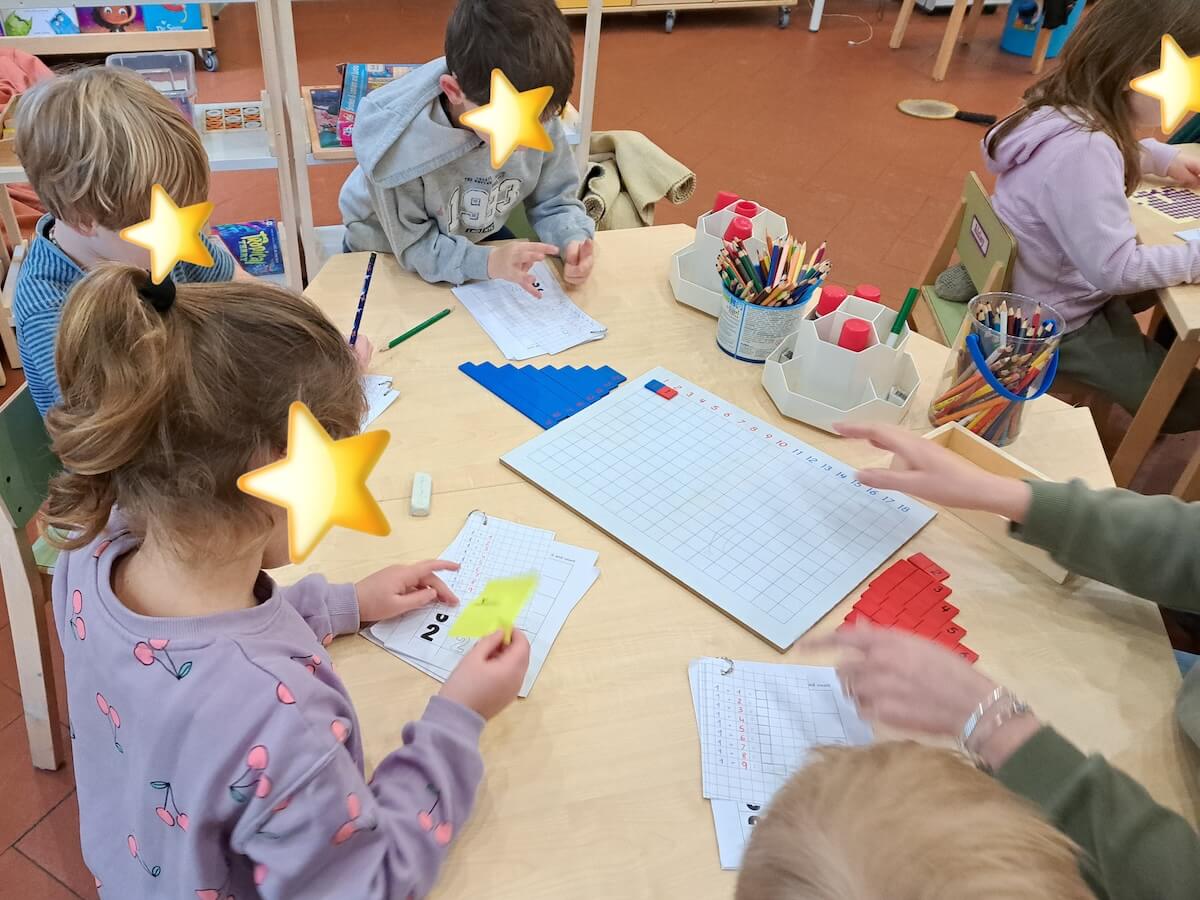
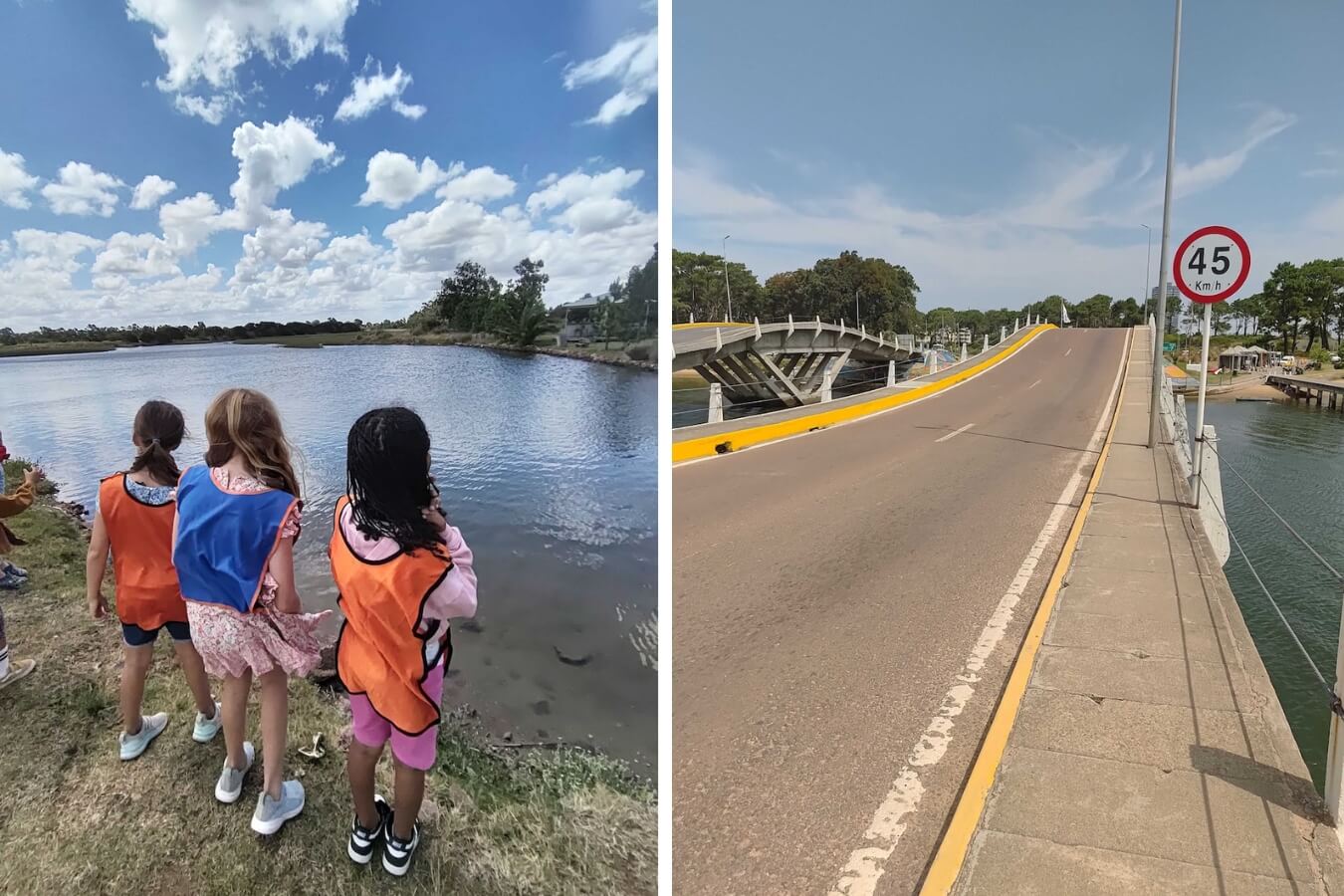
Because the day follows children’s interests, learning happens in organic, real-life ways rather than only through textbooks. In La Barra, Uruguay, Pathfinders educator Danira describes how even a short walk can turn into a rich lesson.
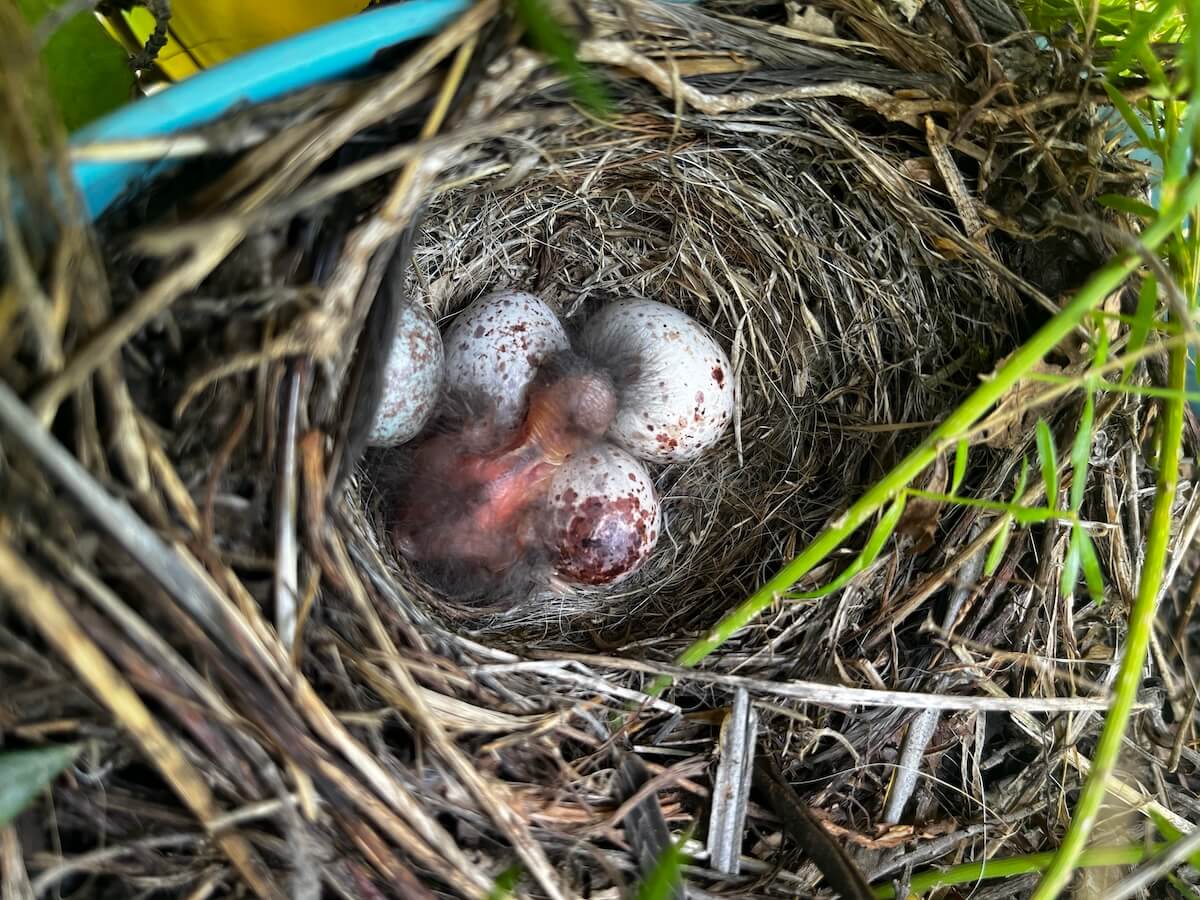
“Learning happens through real life. On a walk over the wavy bridge, we might stop and talk to local fishermen and learn about tides and nature from their experience. That kind of learning stays with you,” she says. Nature is an ever-present teacher in Uruguay’s coastal environment, “even small moments become learning: protecting a bird’s nest near our door, sharing mate (tea) as a way to connect… It’s all connected”.
The boundaries between “classroom time” and the outside world are thin; children are constantly observing and asking questions, whether they’re investigating a seashell by the shore or chatting with a shopkeeper in town.
The Educator’s Role
Often, educators intentionally step back and let discovery happen. As Jessica (Bali) eloquently says, “I am not just delivering content; I am building relationships, noticing growth, and holding space for each child’s journey.”
In Andalusia, Spain, Explorers educator Inma recalls a recent morning when two children decided to engineer a makeshift bridge on the beach. At first their plank-and-bucket construction kept collapsing, and frustration was brewing. Instead of immediately intervening, she gave them space to solve it together.
“Instead of stepping in to fix it for them, I just watched as they started talking it through in their own way. One said, ‘Maybe more sand here!’ and the other started digging to create a base. When the bridge finally stayed up and they walked across it holding hands, the look of pure pride on their faces was everything. It was a simple moment of teamwork and perseverance that perfectly captures how we learn through play.”
In that simple success, entirely driven by the children’s own ideas and cooperation, you can see the essence of Boundless learning. It’s intrinsically motivated within each child, and it sticks.

Growing Confidence and Independence
Over weeks and months in this environment, children begin to blossom in remarkable ways. With the freedom to try new things and the support of attentive mentors, even the quiet or hesitant children find their voice.
“Over time, children start to try new things, solve problems alone, and speak up more,” notes Aleksandar, a Pathfinders facilitator in Kotor, Montenegro. “I see them become braver, more responsible, and proud of themselves.” The shift can be subtle at first, maybe a child chooses to tackle a tricky puzzle without asking for help, or volunteers to demonstrate a skill to the group. Little by little, their confidence grows.
Part of this growth comes from taking real responsibility in the community. In the Tuscany, Italy cohort, for instance, even the youngest Explorers take ownership of daily tasks.
“We have snack and lunch breaks where children are responsible for setting up the tables, preparing food, sharing a meal, and cleaning up,” explains Lorenza, an educator in Tuscany.
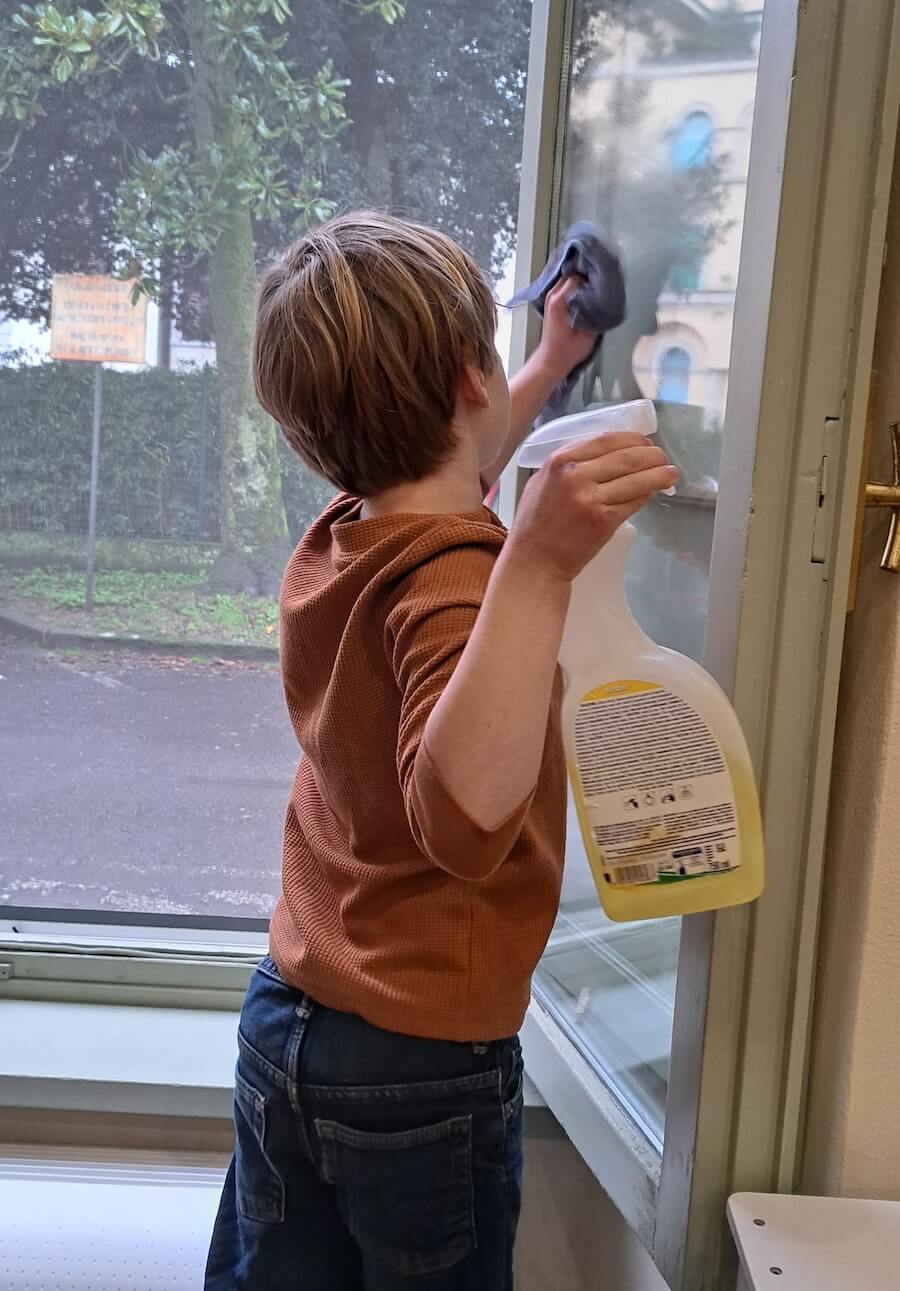
These might seem like small chores, but to a four- or five-year-old they are important jobs that build pride and independence. Children learn to care for themselves and their space: they pour their own water, wash their dishes, tie their shoes, and help their friends do the same. As they master these daily responsibilities, they start to carry themselves with a new sense of capability.
Educators act more as a facilitator, intentionally creating space for children to attempt things on their own. Instead of rushing in to solve every problem, they observe and step in only when really needed. The children come to “trust their own rhythm” and ideas.
As Inma (Spain) shared that seeing a child shift from “I can’t” to “Let me try” is “the best part of my job.” It’s evidence that, given the right environment, kids will stretch themselves and will surprise us.
By the end of a cohort, parents often remark on how self-reliant their children have become – making their beds, packing their bags, helping out with younger siblings – signs that the confidence and independence nurtured in the Boundless Life day carry over to life at home.

The Power of Culture, Community and Empathy
Life at a Boundless Life center feels less like a school and more like a close-knit community.
“One of the clearest signs of growth is that they genuinely don’t want to leave at the end of the day. They ask to walk home together with their friends. They form deep bonds, we often joke that they look like cousins,” says Carmen, an Explorers guide in Sintra, Portugal.
Because older and younger children learn together, they naturally learn to care for one another. These friendships frequently extend beyond the Education Center – “playdates, family trips, shared activities… It becomes something much bigger than school,” Carmen notes. In fact, parents and siblings become friends too, building a support network that often lasts well beyond the three-month cohort.
In Uruguay, Danira observed that if one group of children prepares something to present, “all the classes go happily to watch them shine… We celebrate everyone’s achievements because we understand we’re all part of the same group.”

“Being part of the Boundless Life community strongly supports children’s social growth, collaboration, and empathy,” says Aleksandra, an Explorers teacher from the Kotor, Montenegro cohort. “Over the three-month cohort, they form deep connections and friendships, often becoming like siblings.”
The children share not just a classroom, but life outside of it – weekend hikes, meals, and cultural celebrations with their families. Through these shared experiences, empathy grows naturally.
Diversity is embraced and celebrated. With children (and parents) coming from different countries, languages, and walks of life, every cohort becomes a mini global village. By living and learning in such a community, Boundless children develop a genuine respect for others and the social skills to make friends wherever they go.

Each Location Leaves Its Mark
What does a day in Boundless Life look like in practice? It depends a bit on where you are in the world – and that’s part of the magic. Each location offers new textures to the experience, from the language spoken to the landscape outside.
“Each location shapes the children’s experience in a unique way,” explains Vanessa, who has taught in multiple Boundless Life cohorts.
“Language and food are constant influences, but the environment and traditions deepen learning. In Kotor, the dramatic landscape led us out onto the water every day collecting samples for our SDG studies. In La Barra, we learned candombe (Afro-Uruguayan drum music) and about the surrounding wildlife because you’re constantly exposed to these sounds. In Syros, the setting truly brought the Greek myths we were writing to life. In Bali, strong traditions made stories like the Ramayana visible everywhere. In Kamakura, students learn deep respect for their school and environment – from cleaning routines to public behavior. Each place leaves its mark.”
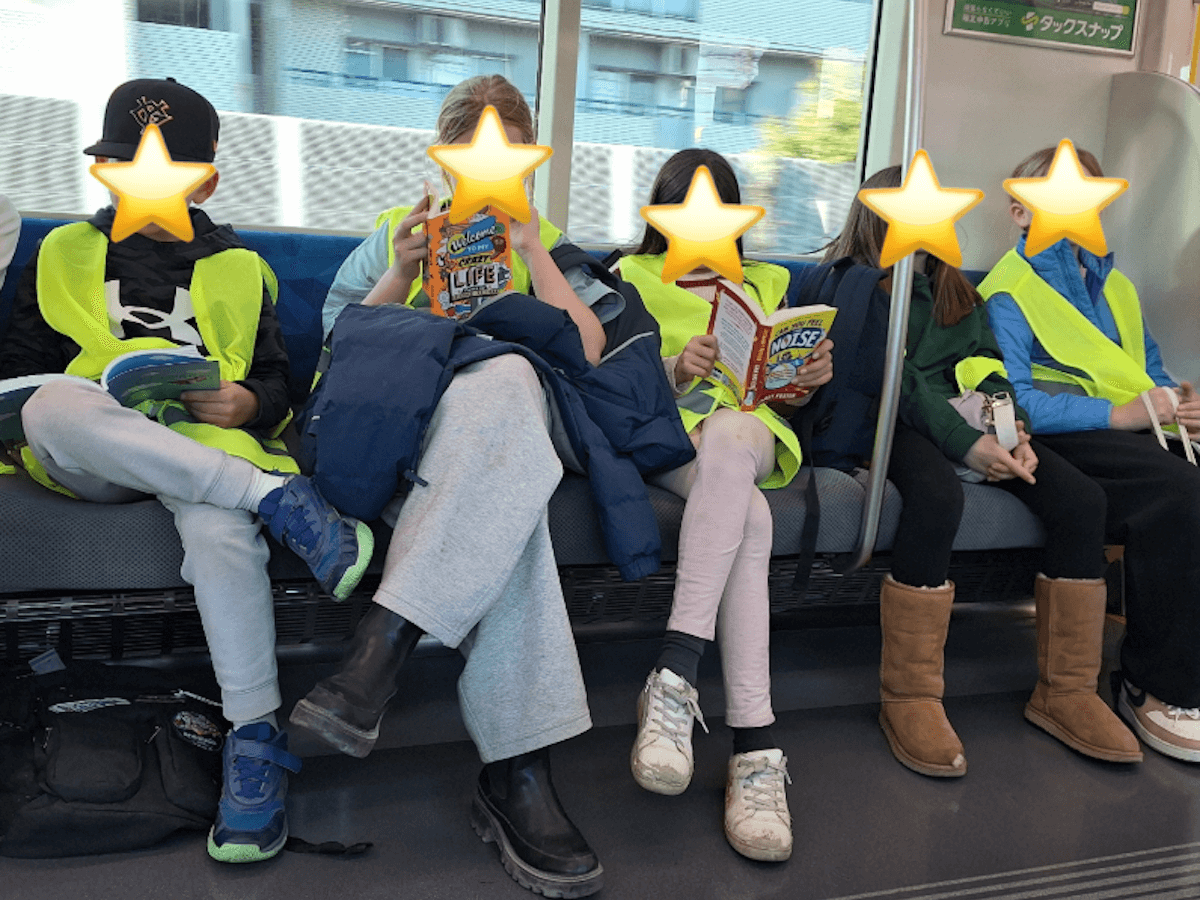
In every location, the host community and culture become part of the curriculum. Children might go to the local market to practice language skills and math with real purchases, hike to a waterfall to study ecosystems, or join a village festival and come back brimming with stories and questions.
The rhythm of life in each place also influences the school day. In Japan’s carefully ordered society, for instance, “the rigorous routines… encourage self-discipline and personal reflection,” says Mia, a Pathfinders facilitator in Kamakura. Students there take pride in daily cleaning time and follow cultural practices that teach respect and mindfulness.
Meanwhile in the laid-back surf town of La Barra, Uruguay, children spend a lot of time outdoors, and learning often flows from encounters with nature and neighbors.
Regardless of the setting, Boundless Life educators weave local experiences into learning, helping children form a deep connection to wherever they are. The world itself becomes their classroom, full of lessons you can’t find in any textbook.

Every Day is Human-Centered and Unique
In the end, the message that echoes most clearly across every educator is this: wherever families go, they can expect to feel the same genuine welcome. That real human warmth Danira (Urguay) notes, and the coziness, nostalgia, and familiarity that Vanessa (Japan) mentions.
While every location offers its own unique lessons and adventures, the overall experience remains consistently warm, nurturing, and connected through Boundless Life’s shared philosophy and practices.
And sometimes, the clearest proof of that connection comes after the cohort ends. Carmen (Sintra) shares this story:
“Recently, I received a letter from a child who was part of our previous cohort and is now in Montenegro. Her current teachers organized the activity, and when I received her letter, I felt deeply moved. We are only together for three months, but the bond that forms is strong and unique. That letter reminded me that what we build here continues far beyond our time together.”
Her story is a beautiful reminder that the warmth and community fostered with Boundless Life extends far beyond any one cohort or moment – weaving one giant global Boundless Life family that stays connected long after the journey ends.


.avif)

