

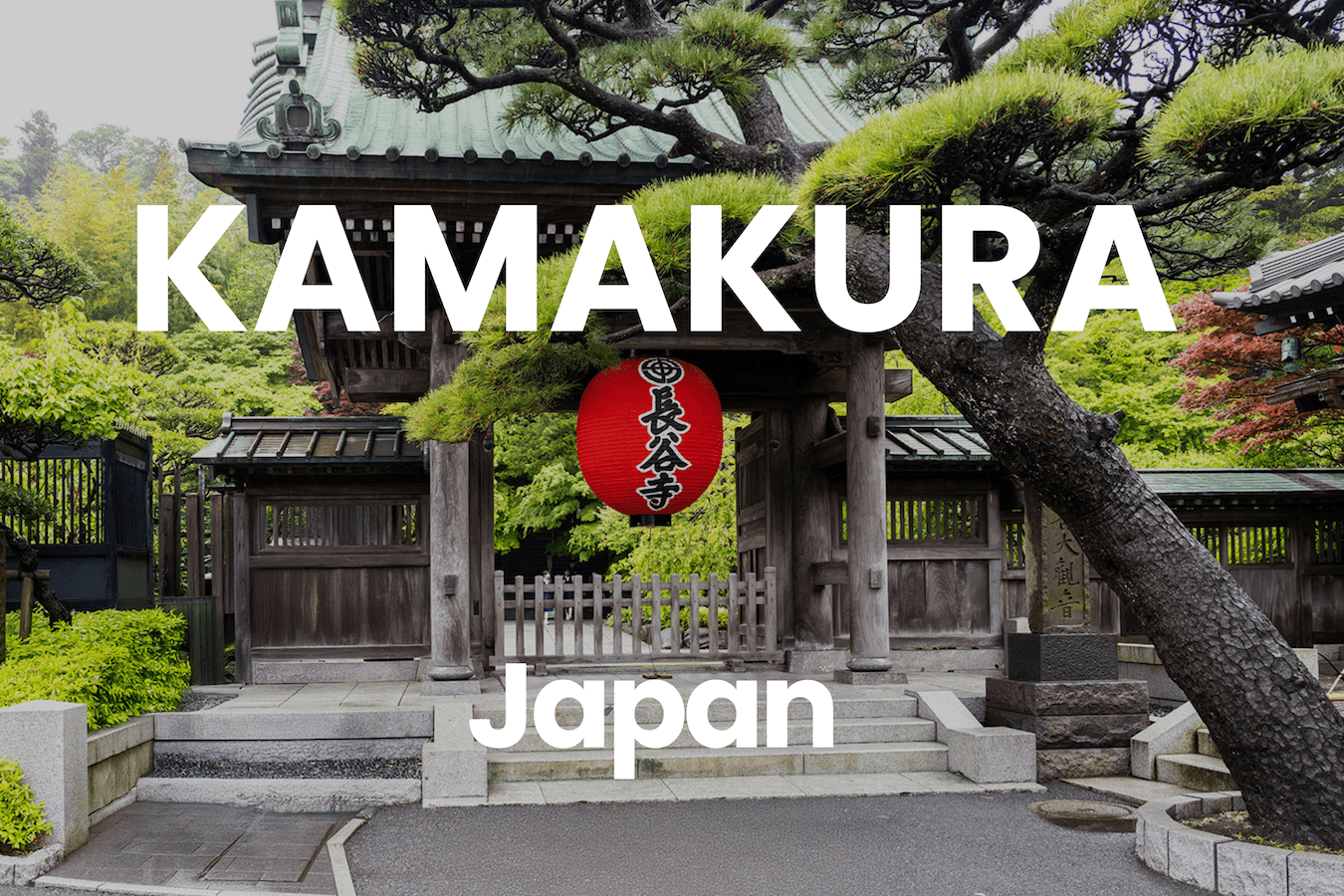
5 Reasons to Add Kamakura, Japan to Your Boundless Life Travel List!
Reason 1 – Rich Samurai History & Living Culture
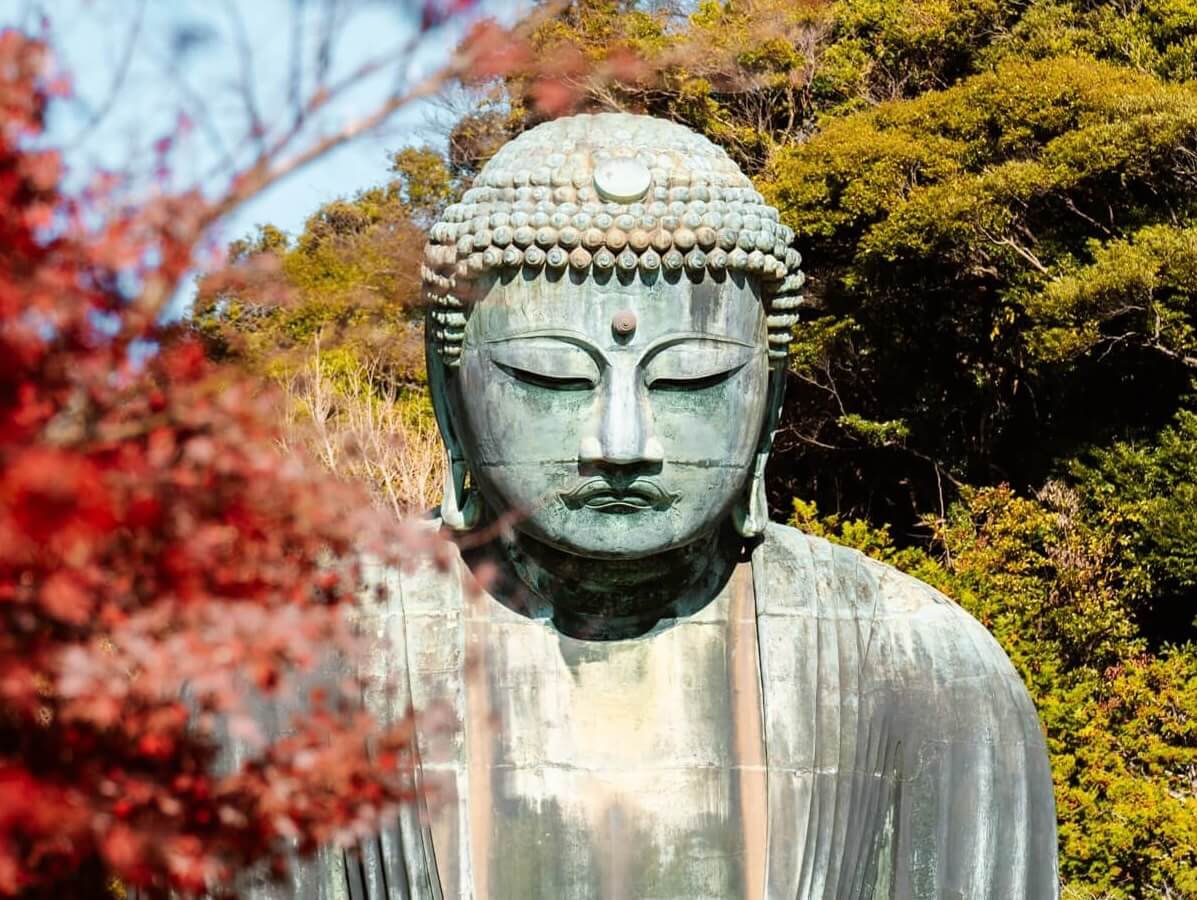
Kamakura was once the political heart of Japan, and its samurai-era legacy is on full display. Explore Tsurugaoka Hachimangu Shrine where seasonal festivals bring ancient traditions to life, or stand in awe of the Great Buddha of Kamakura, a 13-meter bronze icon.
Reason 2 – Surf, Sand & Nature at Your Doorstep
Families can spend time at the beach or take surfing lessons, head for a nature walk with temples, a wooded hill and a bird’s-eye view of the ocean and town. If your family loves both mountain trails and ocean waves, Kamakura offers the best of both worlds in one place.
Reason 3 – Four Seasons of Fun
Spring brings cherry blossoms and comfortable temperatures. By June, the hydrangeas burst into bloom – making even the rainy season enchanting with pops of color. Summer is the beach season and Autumn might be Kamakura’s most beautiful time – fiery red maples and golden ginkgo trees light up temple gardens.
Reason 4 – Safe, Clean & Easily Accessible
Japan is famous for being family-friendly and safe, and Kamakura exemplifies this. The city’s infrastructure makes it easy to settle in: convenience stores, pharmacies, and playgrounds are around every corner, and if you need anything more, Tokyo is just an hour away by train.
Reason 5 – Local Community
Kamakura’s local community is known to be polite, welcoming, and curious about visitors, so you and your children will feel warmly received. Imagine your children learning samurai history where it actually happened, or trying a pottery class with a Japanese artisan. You’re not just visiting Kamakura – you’re joining a community and a way of life.
Inquire Now!
👇 Or read on below for more about Kamakura!

When to Visit Kamakura
When is the best time to bring your family to Kamakura? The short answer: anytime! This city offers something wonderful in every season, so it really depends on your family’s interests and tolerance for weather. Here’s a quick season-by-season guide:
🌸 Spring (March – May): Mild and pleasant. Cherry blossoms typically bloom in early April, and Spring temperatures range from 13°C to 19°C. You can catch the Kamakura Matsuri in April, featuring parades and the elegant “Shizuka no Mai” dance at Tsurugaoka Hachimangu.
🌞 Summer (June – August): Summer is hot and humid (average highs around 29–30°C). But June can be rainy (it’s the tsuyu rain season, and also hydrangea season). By July and August, expect long, sunny days perfect for the beach, it also means festivals and fireworks.
🍁 Autumn (September – November): Early fall can still feel like summer, in October, the heat and humidity drop off, and by November you’ll need a sweater with temps around 15°C. The payoff is the autumn foliage, hiking in the hills and an abundance of local events.
🌨️ Winter (December – February): Chilly but peaceful. Expect brisk days around 7–10°C. The air is crisp and clear, crowds are thinner, and you can experience New Year in Japan – which is a fantastic cultural experience. Visit shrines for hatsumode in early January and there are plenty of New Year traditional festive foods to try.
Getting to Kamakura, Japan
Kamakura is actually easy to reach. Here are the main ways to get your family to Kamakura and how to get around once you arrive:
✈️ By Air – Flying into Tokyo
For most international families, the journey begins at one of Tokyo’s two major airports:
- Haneda Airport (HND): Closer and more convenient, about 60–90 minutes from Kamakura by car or train. From Haneda, you can take a train (Keikyu Line to Yokohama, then JR to Kamakura) that takes roughly 1.5 hours.
- Narita Airport (NRT): Farther out (Tokyo’s main international hub). It’s about 2 hours to Kamakura by train – for example, the Narita Express train runs directly to Ofuna (a station near Kamakura) in 1h 40m, then it’s a 10-minute local train to Kamakura. By car, it can take 2–2.5 hours depending on traffic.
🚆 By Train – From Tokyo or Other Cities
One of the joys of Kamakura is that it’s well-connected by Japan’s fantastic railway system. If you’re already in Japan:
- From Tokyo: The easiest route is the JR Yokosuka Line direct from Tokyo Station to Kamakura Station (about 1 hour, no transfers). You can also catch this same line from Shinagawa or any major station along the way. Another option is the JR Shonan-Shinjuku Line from Shinjuku, which also goes direct to Kamakura in about an hour.
- From other regions: If you’re coming from elsewhere in Japan (say, Kyoto/Osaka), take the Shinkansen bullet train to Shin-Yokohama or Tokyo, then transfer.
Note with luggage and kids: Many trains in Japan have priority seats and some space for luggage, but if you have a lot of bags, it might be worth using a luggage delivery service to send heavy suitcases from the airport to your accommodation (common in Japan). That way you can hop on the train with just your carry-ons and kids, and your bags will meet you later.

🚗 By Car – Scenic but Not Necessary
It is possible to drive to Kamakura – roads are well-maintained and the route from Tokyo (via the Yokohama-Yokosuka highway) is about 1 to 1.5 hours.
However, keep in mind two things: First, driving in Japan means dealing with traffic (especially around Tokyo) and left-side driving. Second, parking in Kamakura can be limited and expensive, as it’s a historic town with some narrow streets.
If you do want a vehicle for a specific trip, you can always rent a car for the weekend. Otherwise, enjoy the journey by train – it’s part of the Japan experience!
🚲 Getting Around in Kamakura
Once you’re in Kamakura, you’ll find it walkable. The town center around Kamakura Station has many of the shops, supermarkets, and restaurants you’ll use regularly. To explore further:
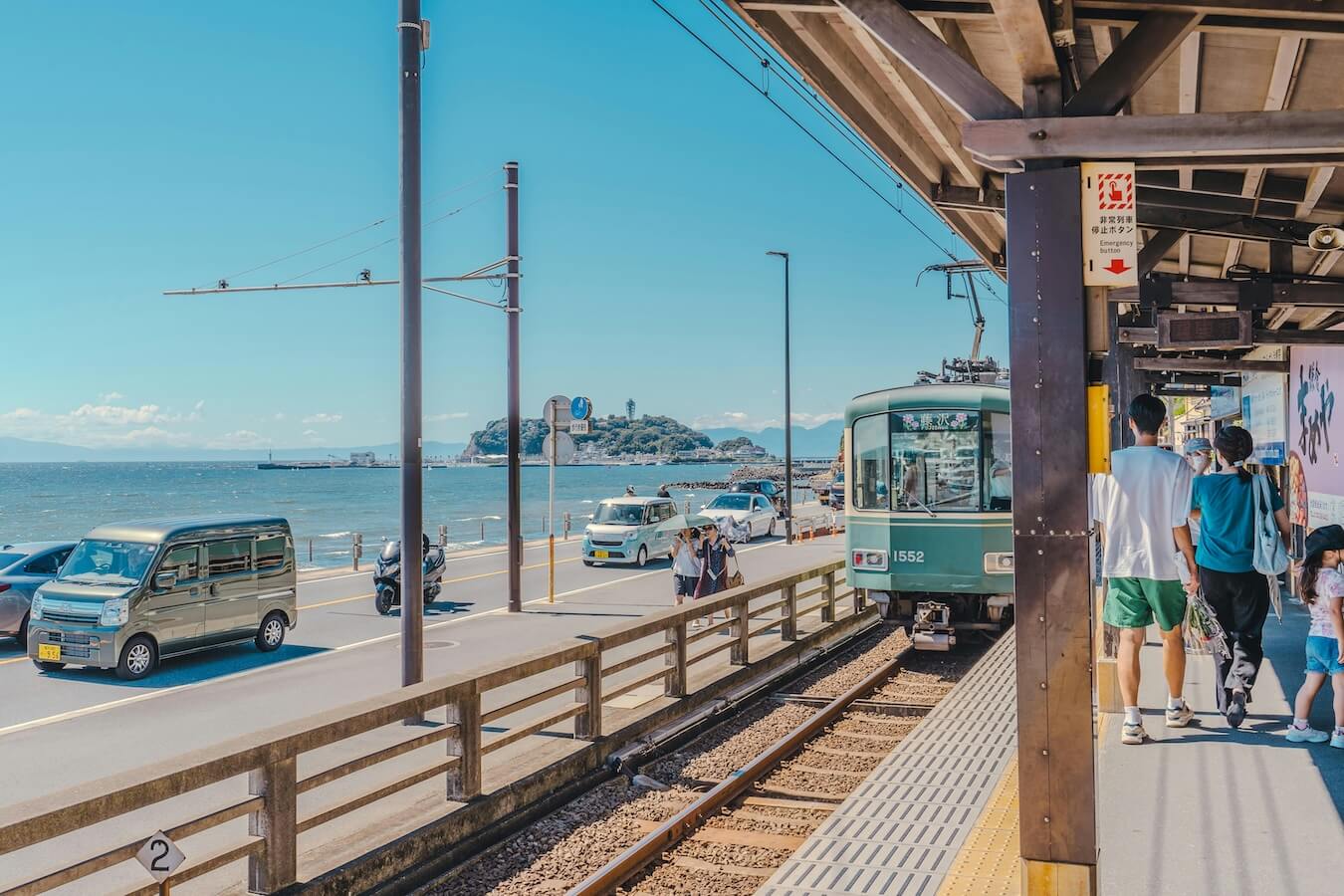
- Trains: The JR lines connect Kamakura to nearby cities. But within town, the charming Enoden train is the star – this small electric railway runs along the coast from Kamakura to Enoshima, offering scenic ocean views.
- Buses: Local buses can take you to areas not covered by train, such as the inland hills or lesser-known temples. They announce stops in English and Japanese.
- Bicycles: Kamakura is bike-friendly in many areas. You can rent bicycles (including e-bikes for those hills) and enjoy riding to the beach or through backstreets. Just note that some parts of town are hilly.
- On Foot: Honestly, walking is one of the best ways to soak in Kamakura’s atmosphere. You can walk from the central shrine area to the beach in about 20–30 minutes. Strolling down Komachi-dori (the main shopping street) is a treat in itself – you’ll pass dozens of local shops selling everything from rice crackers to cute souvenirs, and it’s pedestrian-friendly.
In short, you won’t have trouble moving around Kamakura. The transport options are convenient and family-approved – even something as simple as a train ride can turn into a mini adventure for the little ones.
Top Things to Do in Kamakura with Kids
Kamakura is packed with family-friendly activities and sights. Here are some of the highlights you shouldn’t miss:
Visit Temples, Shrines & the Great Buddha
Kamakura’s cultural sites are not only beautiful, they’re also surprisingly engaging for children. Start at Kōtoku-in Temple to meet the Great Buddha – the kids will be amazed by the sheer size of this statue. Fun fact: you can actually go inside the hollow statue for a small fee, which is a cool mini-adventure.
Next, head to Tsurugaoka Hachimangu in the heart of town – the wide steps and plazas here are great for little legs to climb, and there are often wedding processions, festivals, or performances going on that will capture their attention. Don’t miss the koi fish and turtles in the ponds!
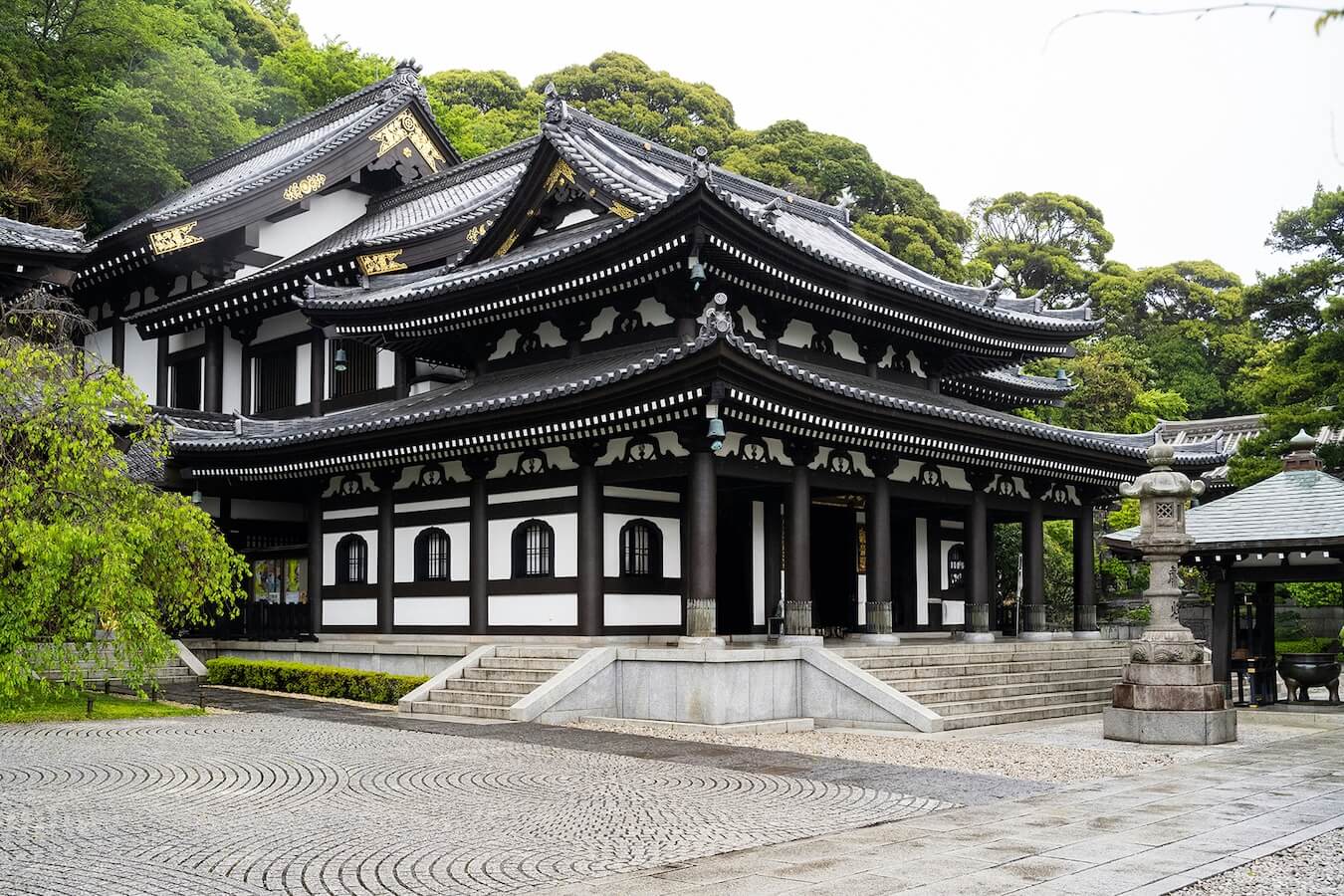
For a taste of Zen, visit Hase-dera Temple which has a lovely garden, a small cave with intriguing statues, and even a view deck where you can spot the ocean. Many temples like Hase-dera and Engaku-ji also have stamp books (goshuincho) for sale – your children might like collecting beautiful ink stamps from each temple as a unique scavenger hunt across Kamakura. It turns temple-hopping into a game where they earn a stamp at each stop. Plus, it’s a great keepsake of their cultural exploration.

Enjoy the Beaches & Ocean Activities
Yuigahama Beach is the main family beach – a long stretch of sand with generally gentle waves. In summer, it’s dotted with pop-up beach cafés and lifeguard stations, making it perfect for spending the whole day by the water. You can rent a beach umbrella, build sandcastles, and even try a bit of surfing. Several surf schools offer beginner-friendly lessons suitable for kids and parents.
A short walk or Enoden ride away is Zaimokuza Beach, which is also family-friendly and a bit quieter – great for younger kids to splash in shallow water and search for seashells. If your family is into marine life, consider a visit to the Enoshima Aquarium (just next door in Enoshima – see Day Trips below).
Evenings are magical: the sunsets over the water are often breathtaking, and on clear days you might see Mt. Fuji silhouette on the horizon as the sky turns orange-pink. Don’t forget to grab some snacks from the beachside vendors – perhaps try yakisoba noodles or a refreshing kakigōri (shaved ice) on a hot day.
Hike Through Nature Trails and Parks
When you need a break from sand and sea, Kamakura’s green side awaits. The city is crisscrossed with wooded hiking trails that are short, scenic, and suitable for families.
One popular trek is the Daibutsu Hiking Trail, which connects Jōchi-ji Temple in the north to the Great Buddha in the west. It’s a gentle 3 km walk through forests and hills, taking about 1 to 1.5 hours at a child’s pace. Along the way, you’ll encounter small shrines, lookout points, and maybe some playful squirrels.
Pack a picnic to enjoy at one of the resting spots – perhaps at Genjiyama Park, where in spring you can picnic under cherry blossoms and in fall under vivid autumn leaves.
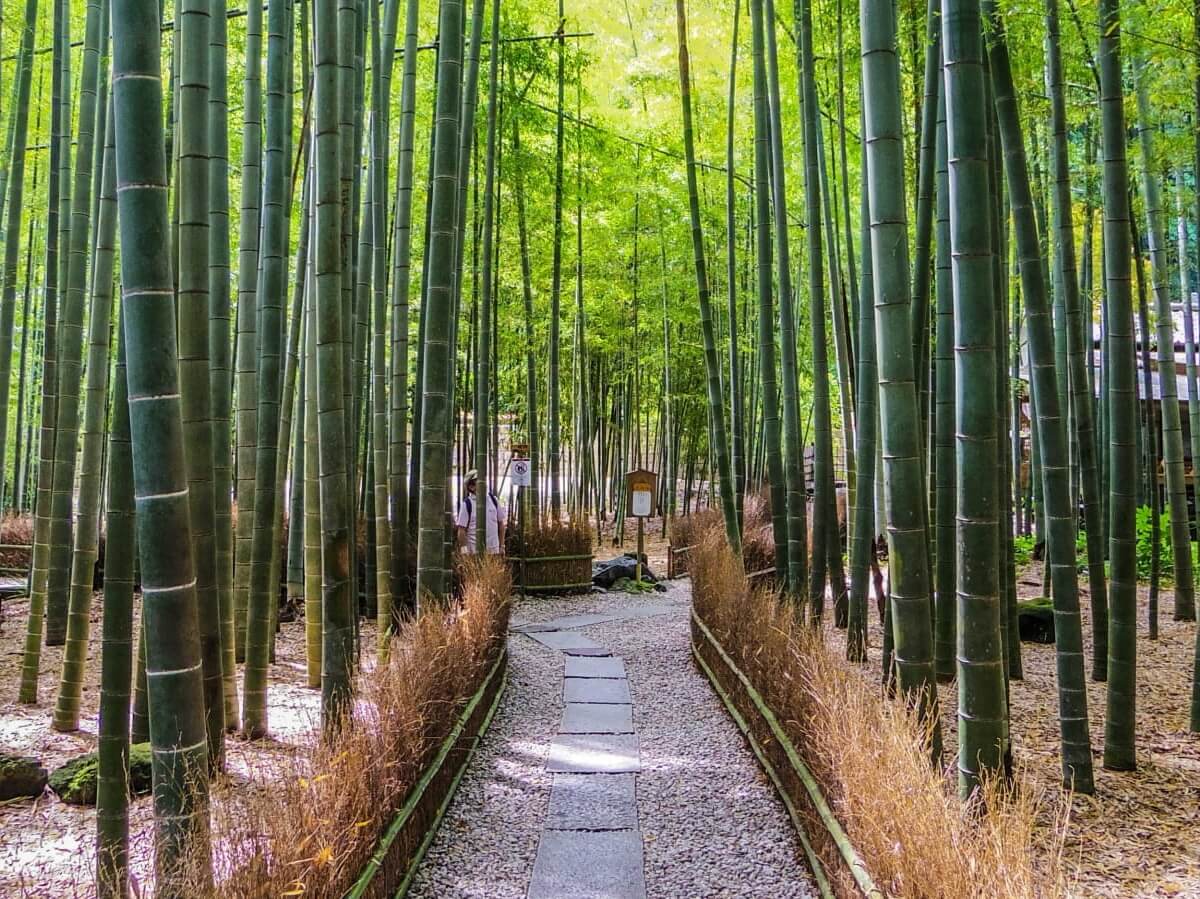
Another fun spot is the Tenen Trail in northern Kamakura, which leads you past an atmospheric Kuzuharaoka Shrine. Or if you prefer something more relaxed, Kamonyama Park or the grounds of Engaku-ji offer stroller-friendly paths and bamboo groves.
Nature is woven into daily life here – even a simple walk from one temple to another might turn into a mini-hike. And for an easy adventure, take the kids on the Shonan Monorail (a short train ride from Kamakura to nearby Ofuna): it’s a hanging monorail that zips through tunnels and above the streets like a rollercoaster, ending near Ofuna Botanical Garden which has seasonal flower displays.
No matter which path you choose, you’ll find that a bit of forest therapy in Kamakura is rejuvenating for all ages.

Taste Kamakura’s Cuisine from Sushi to Street Snacks
Food is always a highlight of family travel, and in Kamakura you’ll have no shortage of options. Given the coastal location, fresh seafood is a local specialty – try the local shirasu (tiny whitebait fish) which are often served over rice or as a savory crepe in the area.
Of course, you’ll find excellent sushi – from casual conveyor belt restaurants to small family-run sushi shops. Another fun idea is to visit Kamakura’s local market (like the Renbai farmers market) to pick up fresh fruits, sweet potatoes, or weird-and-wonderful Japanese snacks.
Strolling down Komachi-dori, the main shopping street, is a must for foodies: you can nibble as you go on things like matcha soft-serve ice cream, cute dango (sweet rice dumplings on a stick), and the ever-popular croquette stuffed with beef or pumpkin (crispy and delicious).
For a sit-down meal, Kamakura has everything from ramen shops to Western cafes serving pancakes and pasta for when the little ones need a familiar bite.
And don’t forget to enjoy some Japanese seasonal treats: in spring, try sakura mochi (a pink rice cake wrapped in a cherry leaf); in autumn or winter, keep an eye out for roasted sweet potatoes (yaki-imo) being sold from little trucks – they make a perfect healthy snack on a chilly day.

Engage in Cultural Experiences & Workshops
One of the joys of a longer stay in Kamakura is the chance to dive into Japanese culture in a hands-on way. Many local studios and guides offer family-friendly classes where you can all learn something new. For instance, you can join a tea ceremony workshop where you sit on tatami mats in an old wooden house while a tea master shows you how to whisk matcha green tea. It’s a gentle introduction to Japanese etiquette and patience.
Another popular activity is a pottery class: Kamakura has some famous pottery styles, and under guidance you and the family can try molding clay on a potter’s wheel or paint your own chopstick holders – lovely souvenirs that you made yourselves!
If your children are into sports or martial arts, how about a Kendō (Japanese fencing) lesson? Local dojos sometimes welcome visitors for a trial lesson. There are also traditional music and dance lessons available such as taiko drumming circles.
And let’s not forget everyday cultural experiences: going to a public onsen bath (there are a couple of family-friendly onsens or sento bathhouses in Kamakura and nearby – a cultural must-do if your kids are comfortable with the idea), or dressing up in a kimono for a family photo shoot among the temples.
By the end of your stay, you might surprise yourselves with how many new skills and insights you’ve gained, whether it’s mastering origami or just knowing the proper way to say “itadakimasu” before a meal. These cultural connections will absolutely become some of your most treasured memories from Kamakura.

Easy Day Trips from Kamakura
One amazing thing about Kamakura is its location – nestled by the sea and hills, yet close to so many other attractions. On weekends or school breaks, you can take advantage of Kamakura’s proximity to other destinations. Here are some easy day trips (or weekend trips) to enjoy:
Tokyo – 50 km / 1 hour
It’s not every day you live next door to a metropolis of 37 million people! Tokyo, with all its neon excitement and endless attractions, is just about an hour by direct train from Kamakura.
A day trip to Tokyo can be as relaxed or action-packed as you want. With kids, popular stops include the National Museum of Nature and Science (dinosaurs and interactive exhibits), or the teamLab Borderless digital art museum for an otherworldly experience.
If you have younger children, a visit to Tokyo Disneyland or DisneySea is doable as a long day – you can catch an early train and be at the gates when they open.
Tokyo also offers a nice dose of big-city convenience if you’re missing something – maybe you crave a certain international cuisine or need a big shopping day. It’s all there. But perhaps the best part is coming back to tranquil Kamakura in the evening, after enjoying the urban buzz.

Yokohama – 25 km / 30 minutes
Just a quick train ride north (30–40 minutes), Yokohama is Japan’s second-largest city and a fantastic family destination. It has a very different feel from Tokyo – more open sky and bay breezes.
Start at Minato Mirai waterfront area, where you’ll find the Cosmo World amusement park (with a giant Ferris wheel that offers great views) and the Cup Noodles Museum where kids can design their own ramen cup. Stroll the boardwalk to Yamashita Park and watch ships in the harbor.
Yokohama is also home to Japan’s largest Chinatown, a fun place to wander and snack on steamed buns and dumplings.
And for a bit of history, the Yokohama Red Brick Warehouse often has seasonal events and a lovely open plaza for kids to run around. The great thing about Yokohama is how easy it is to reach and navigate – it’s a big city with a friendly vibe.
Enoshima Island – 10 km / 20 minutes
Right around the corner from Kamakura is Enoshima, a small offshore island that’s a full day of adventure for families. You can get there by taking the Enoden train to its final stop or by car in 20 minutes. Enoshima is connected to the mainland by a bridge, which you can walk across.
On the island, the Enoshima Aquarium is a must – it’s one of the best in Japan, featuring an impressive collection of Pacific marine life. There are dolphin shows, interactive touch pools, and even jellyfish exhibits set to music.
After the aquarium, explore the island’s winding paths that lead to shrines, a botanical garden, and even some mystical caves on the far end of the island (legend has it a dragon once lived there!).
A bonus for active families: the walk up to Enoshima’s hilltop shrines has quite a few stairs, but there are escalators, if little legs get tired. Don’t forget to try Enoshima’s famous snack, tako-senbei – a giant cracker made by pressing a whole octopus flat… it’s bizarre and delicious.
Enoshima is small but packed with fun, and since it’s so close, you might go more than once. On a clear evening, staying on Enoshima for sunset can reward you with an unforgettable view of Mt. Fuji silhouetted beyond the ocean.

Hakone & Mt. Fuji Sights – 80 km / 2 hours
For a change of scenery and a glimpse of Japan’s iconic mountain, consider a day trip to the Hakone area or the Fuji Five Lakes region. This is a bit farther – best done as an overnight – but many families make the trip and love it.
Hakone offers a mix of nature and fun: ride the Hakone ropeway cable cars over volcanic valleys, cruise across Lake Ashi on a pirate-themed ship, and view Mt. Fuji if the weather cooperates. Kids also get a kick out of the Owakudani geothermal area where you can eat black-shelled eggs boiled in sulfur springs (local lore says they add 7 years to your life!).
Alternatively, heading to Lake Kawaguchi (one of Fuji’s five lakes) gives you a classic up-close Mt. Fuji view and activities like renting swan-shaped paddle boats or visiting the Fuji-Q Highland amusement park for some thrill rides.
Seeing the majestic Mt. Fuji is often a Japan bucket-list item, and Kamakura’s relative closeness makes it attainable. Just remember, Fuji is shy – she only comes out on clear days, so watch the weather forecast to pick your day. Even if clouds hide the mountain, the journey (whether soaking in a Hakone hot spring or exploring lakeside forests) will be worth it.
(Of course, these are just a few ideas. There are more great trips within reach – from the historic temples of Kita-Kamakura just one train stop away, to the beaches and marina of Zushi down the coast. With Kamakura as your home base, you’ll be ideally situated to explore a huge variety of Japanese landscapes and experiences.)

Culture & Community in Kamakura
Japanese culture is renowned for its politeness and hospitality, and in Kamakura you’ll experience this in a very genuine way. This is a small city with a bit of a “village” feel. For families, the respect for community means children are cherished and safe in public.
Getting involved in local events is a fantastic way to connect: Kamakura has many matsuri (festivals) year-round where neighbors come together. For example, during the April Kamakura Festival or summer bon odori dances, your family will be welcome to join the fun.
Don’t be shy about engaging; the community here is used to both Japanese and international visitors, given Kamakura’s popularity, and they take pride in sharing their traditions. A little cultural curiosity and politeness on your part goes a long way.

Built-In Community with Boundless Life
One of the most reassuring parts of relocating to Kamakura with Boundless Life is that you won’t be alone. You’re arriving as part of a ready-made community of other families who are on the same adventure.
The Boundless Life Kamakura Coworking Hub and Education Center will be your gathering spot and second home. Here, you’ll meet neighbors from around the world, with kids of various ages and weekly community events will quickly fill your calendar.
The team also plans outings like group hikes or cultural workshops, so you have built-in buddies to explore with. Children especially benefit – they’ll have classmates and playmates from day one, which eases any loneliness or homesickness.
Our General Manager, Eri Tsutsumi, is a Kamakura native who has been busy arranging everything from traditional pottery sessions to surf lessons for our families. She and the team will ensure you get insider experiences and meet local families too, perhaps through language exchanges or volunteering in community clean-ups. The result is that you have both an international support network and local connections.

Safety & Peace of Mind
In Kamakura petty crime is almost non-existent; losing your wallet usually means it will be turned in intact to the nearest police box (kōban). This peace of mind is priceless when you’re far from home. Of course, it’s not a bubble, and you still need to mind traffic rules, etc.
As for healthcare and daily necessities: Kamakura has good clinics, dentists, and a hospital, plus you’re near world-class medical facilities in Tokyo/Yokohama should you ever need them. Pharmacies (kusuriya) are plentiful for any minor ailments.
You’ll find the drinking water is clean, the food quality is high, grocery stores here have excellent fresh produce. In terms of cleanliness, public spaces are well-kept – you won’t find overflowing garbage or anything that would make a parent cringe.
And worry not about getting lost in translation; most signs are in English as well as Japanese, and smartphone navigation works great in Japan. All these little details add up to a lifestyle where daily logistics are smoother than you might expect in a foreign country.
Join the Kamakura Cohort – Start Your Boundless Life
Your opportunity to live, work, and explore in Kamakura is here. If you’re as excited as we are about samurai history, beachside living, and a unique community experience, don’t hesitate – take the next step.
Whether you’re a Boundless Life veteran or a family just beginning to consider a life abroad, Kamakura will capture your imagination and steal your heart. Join our upcoming cohort in Kamakura and get ready for an adventure that will broaden your horizons in every way.
Ready to make the leap?
Let’s start planning your family’s Boundless journey to Kamakura today. Adventure awaits, and we can’t wait to have you here with us in the samurai city by the sea!


.avif)

